The Quality Improvement and Patient Safety Department is one of the fundamental pillars of the hospital. It operates through an integrated system based on continuous coordination and communication with all medical and administrative departments.
he department aims to ensure the delivery of safe, high-quality healthcare services, enhance patient experience, and improve operational efficiency by implementing structured programs for quality management and patient safety, performance monitoring, risk management, and standardization of practices in accordance with the latest national and international standards.
The department’s work is guided by a scientific approach based on performance measurement and data analysis, identification of gaps and improvement priorities, and implementation of sustainable improvement initiatives that support evidence-based decision-making and contribute to better clinical and operational outcomes.
Quality Department Mission
To continuously improve the quality and safety of healthcare services through a qualified and specialized team working in coordination with all hospital departments to oversee the implementation of quality systems, monitor performance, promote improvement opportunities, and sustain achieved results, ensuring patient satisfaction and exceeding their expectations.
Quality Department Vision
To be a leading reference at the national and regional levels in quality management and patient safety by adopting the latest global practices and applying best models and standards in healthcare.
Scope of the Quality Improvement Department
The Quality Improvement Department oversees a set of core functions that support institutional performance improvement and sustainable development, including:
1. Document Control and Management
Developing, managing, and updating policies, procedures, plans, and forms, and ensuring their preparation, review, and approval through a standardized system that promotes unified practices, compliance with standards, and operational efficiency.
2. Risk Management and Patient Safety
Implementing a comprehensive incident reporting, analysis, and follow-up system using Root Cause Analysis (RCA). This includes proactive identification and assessment of potential risks and the development of mitigation plans using Failure Mode and Effects Analysis (FMEA) to reduce risks, prevent recurrence, and promote a safe environment for patients and staff.
3. Performance Monitoring and Improvement Projects
Developing and monitoring clinical and administrative performance indicators aligned with quality priorities. Data are collected and analyzed regularly to identify trends and improvement opportunities. Improvement projects are implemented using structured methodologies such as FOCUS–PDCA, Lean, and Six Sigma, with ongoing monitoring to ensure effectiveness, sustainability, and data-driven decision-making.
4. Supporting the Quality of Medical and Nursing Services
Contributing to the development and improvement of medical and nursing policies and procedures, supporting staff training, and monitoring compliance with professional standards and quality indicators in collaboration with the Medical Directorate and Nursing Department.
5. Strengthening Governance through Hospital Committees
Ensuring committees conduct meetings in accordance with their Terms of Reference (TOR), overseeing proper documentation of activities, and following up on action plans and decisions to enhance committee effectiveness and support institutional governance.
6. Training and Promoting a Culture of Quality
Providing training and awareness programs in quality, patient safety, improvement tools, and risk management, in addition to supporting hospital readiness and maintaining continuous compliance with national and international accreditation requirements.
The hospital has obtained several accreditations and certifications that are regularly maintained and renewed, including:
Specialized accreditations:
Management system certifications according to International Organization for Standardization (ISO):



The Specialty Hospital management made sure that it ensures the safety of the hospital environment and staff as...
To provide the highest quality, comprehensive, safe healthcare and education services by highly qualified professionals...
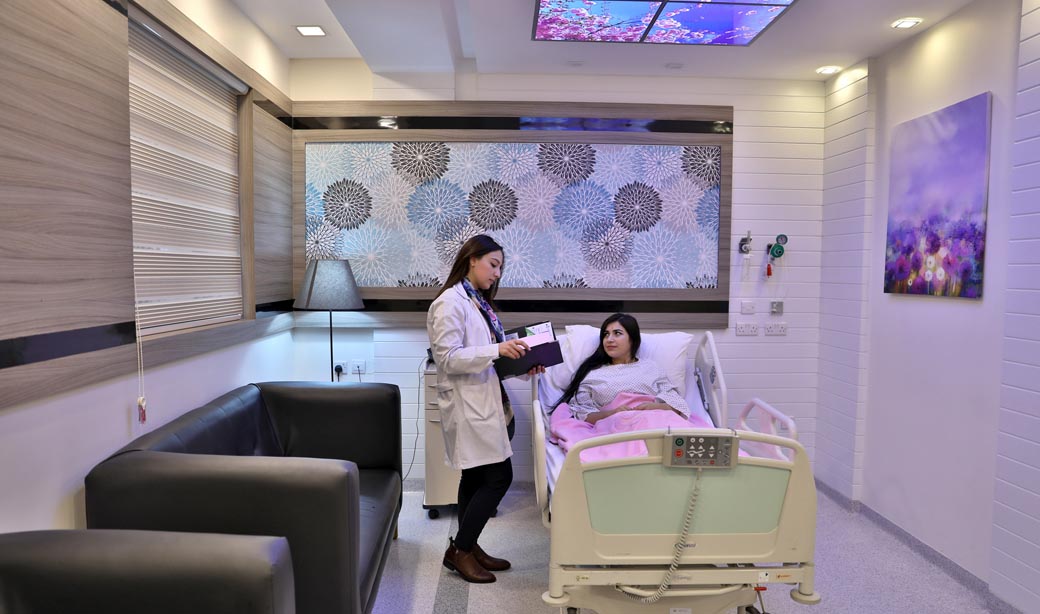
In harmony with the Specialty Hospital mission, which insist on providing the best care for patients and for the...
Due to the level of outstanding services provided by the Specialty Hospital for the local community and the Arab...
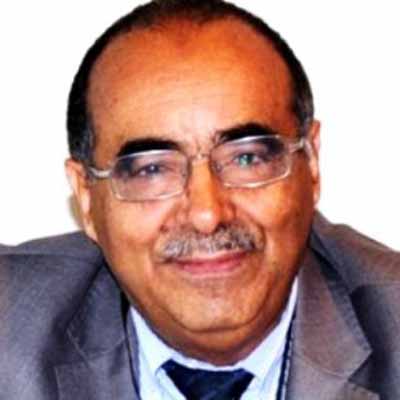

Dr. Ahmed Al-Asbahi – Yemen
Member of Shura Council of the Republic of Yemen
I didn't find the words to express the state of progress I have seen at the Specialty Hospital, but I would like to say that the secret of this progress is referred to the man expressed by HM King Hussein, may God bless him and grant him peace, he said: "Human is the most precious thing we have”. This statement has been scientifically translated into the existence of qualified competencies in various fields especially what I have seen at the Specialty Hospital, I witnessed the stages of its development. And here I am today witnessing the reality of dealing directly with the excellence in its management, wonderful nursing and advanced medicine.

LT. Chire Reilly - USA
White House Medical Unit
Thank you for your welcoming hospitality and for showing us your beautiful hospital, we look forward to working with you now and in the future
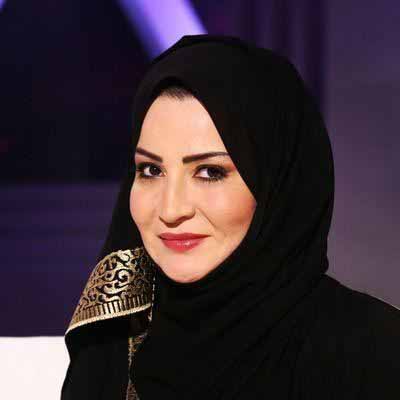
Noura Al Shaaban - Saudi Arabia
Member of the Saudi Shura Council
Through my tour at the hospital I was very pleased with the professional touch in dealing with patients from all countries, and I was impressed by the presence of the advanced equipment in all medical specialties, excellence in dealing with visitors and the quick procedures. Your most important feature is the presence of the best specialized consultants that made me feel comfort and reassured that the citizens of Saudi are receiving good care here
Dr. Cris Mandy - USA
Medical Provider
Your hospital is excellent and state of the art. It is equivalent to our best hospitals in America. Your commitment to medical education is evident and serves as an investment into the future of health care in Jordan.We appreciate the great care you have provide our ill and injured American patients.

Her Majesty Rania Al-Abdullah
Jordan
I would like to highly express my admiration for your distinguished efforts that contributes to the development of the medical sector and to our county. I am pleased to express to all the staff at this outstanding medical institute, my great satisfaction and joy of the superior level the hospital achieved. I applaud for these great efforts and I support you to proceed for further achievements
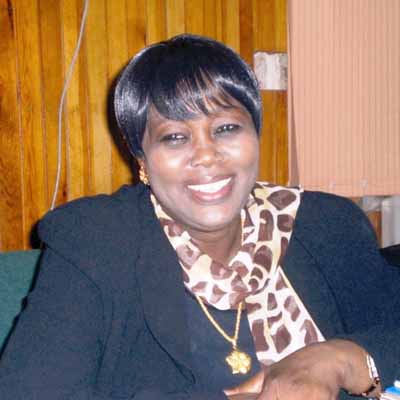
Dr. Tabita Boutros - Sudan
Former Minister of Water and Dams - Sudan
I was very pleased to visit your hospital, and I came to receive medical care and general checkups. This is an opportunity to say thank you so much for everything you have done for me
Mike Williams - Louisiana
Patient
I would like to say a big thank you to all the staff at Specialty Hospital. The care I received here was great and I highly recommend it to everyone.

Abdullah bin Hamad bin Abdullah Al-Dhafri - Sultanate of Oman
Diwan of the Royal Court - Sultanate of Oman
I was very pleased with my visit to this hospital and its services to the patients. I was very surprised by the modern medical equipment’s and departments that I see for the first time. The management and the medical staff made me very ashamed of the spaciousness and hospitality that we received.
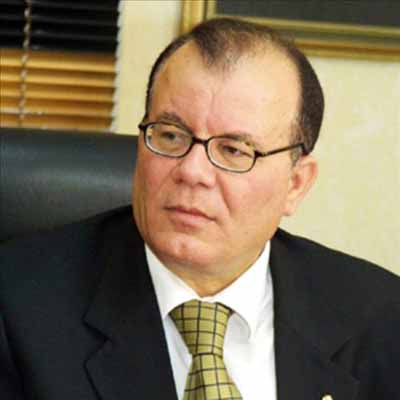
Dr. Nabil Al–Sharif
Former Minister of Media & Communication in Jordan
Without exaggeration, I say that this medical institute provides great services around the clock to the citizens of Jordan, Arab patients and Jordan's visitors. The Specialty Hospital name in people's minds is connected to care and trust, which is a pride for our country and our medical institutes.
Dr. Mandy - USA
Medical Provider
Your emergency department was fantastic. In 30 years of practicing medicine in the United States I have never been able to get X-rays, an ultrasound and an MRI done on one of my patients in less than 4 hours. Your hospital's efficiency and timeliness and exemplary and set the standard.Our patient went to the operating theater and had his injury successfully repaired. He is doing well thanks to the great care he received at Specialty Hospital.

Tukunobu kita - Japan
Kyushu University
We visited this hospital as field research on medical tourism. The doctors kindly introduced the facilities and explained to us everything. We learned that Specialty Hospital has well-trained staff and good equipment as well as sophisticated systems. It has strong appeal for overseas patients
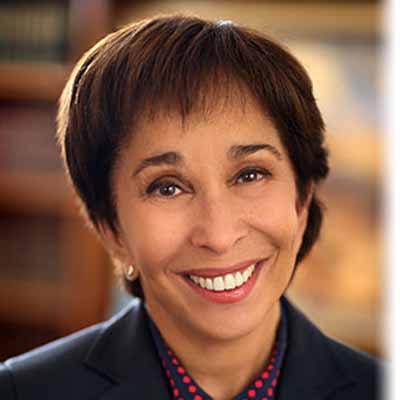
HRH Princess Basma Bint Talal
Jordan
This distinguished institute makes us proud of the progress achieved by our dear country Jordan in the field of medicine, which is equivalent to that in the best countries of the world, this excellence and progress is from the wise management of Dr. Fawzi Al-Hammouri, whose efforts and the efforts of his colleagues at the Specialty Hospital which they deserve all the admiration and appreciation
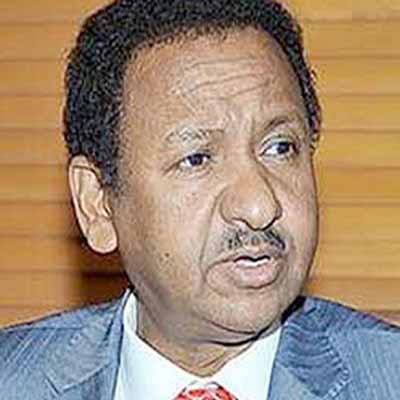
Dr. Mustafa Othman Ismail
Former Sudanese Presidential Adviser, Former Minister of Foreign Affairs
We have found great welcoming from the doctors and nurses at the hospital, their treatment was distinguished, thanks to the Specialty Hospital family for their great interest and we witness excellence in everything from medicine to equipment and treatment
Artom Neekono - USA
Medical Provider
To the men and women that make up the wonderful staff of Specialty Hospital, thank you for the care and professionalism that you have consistently provided to all that came through you doors. You have provided a piece of mind knowing that our patients will have the best care possible in what would be normally be a very difficult situation. Thank you from the bottom of my heart

Fatima Khaled Al Bashir - Sudan
The Wife and first cousin of Sudanese president
Thank you very much Specialty Hospital for the warm welcoming and the good treatment we found, and we noticed the good reputation of the hospital's staff from administrative to doctors and we ask God to bless them