


The Specialty Hospital provides a wide range of high-quality diagnostic radiology services, supported by the latest medical technologies and imaging systems, ensuring optimal patient care under the supervision of specialized physicians and consultants with advanced qualifications across all disciplines.
The radiology team is directly responsible for imaging procedures, accurate reporting, interventional examinations, and image-guided biopsies. The department also includes radiology residents as part of the hospital’s academic program, supported by highly qualified technicians and administrative staff.
Imaging Equipment in the Radiology Department
CT Scanner (512 Slices)
The First and only 512 slices in Jordan a high-end scanner capable of imaging coronary arteries within a single heartbeat, while reducing radiation exposure by up to 80% compared to conventional CT systems.
CT Scanner Revolution Maxima (128 Slices)
A high-speed AI-powered system offering advanced diagnostic capabilities, including:
MRI SIGNA Hero 3.0T High-end
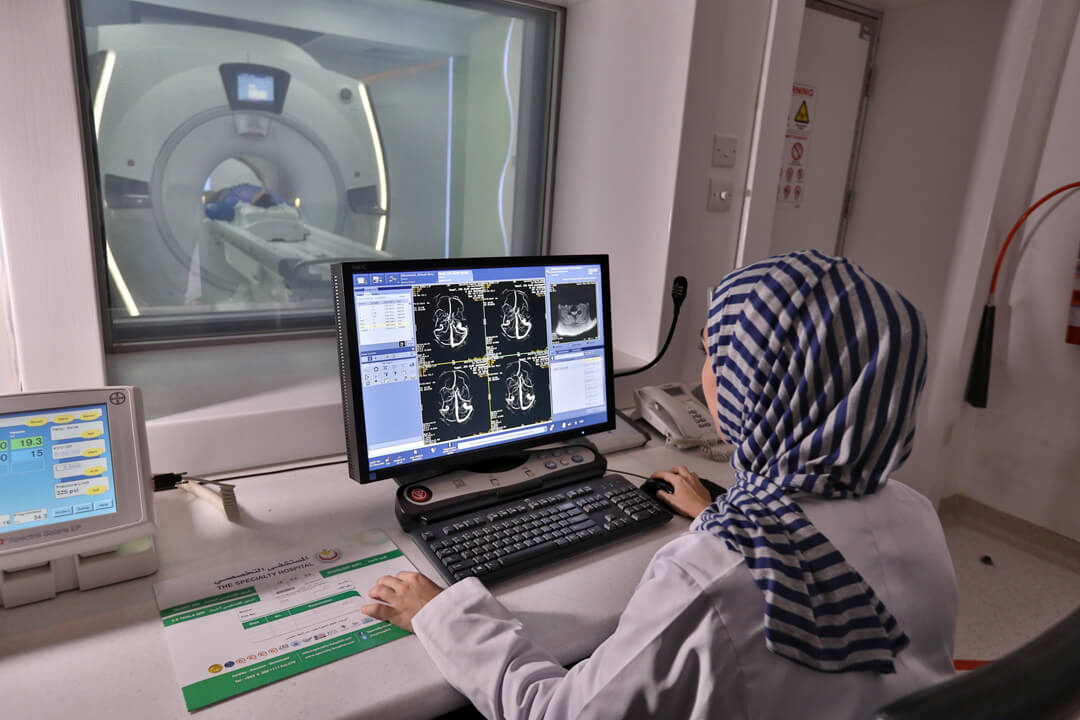
An advanced MRI system using AI technologies such as Air Recon and Sonic Deep Learning, enabling whole-heart imaging in a single breath-hold, as well as high-resolution imaging of the brain, spine, nerves, and vascular system with or without contrast.
MRI Optima 1.5T
Provides high-resolution imaging with reduced scan time using Deep Learning technology. It has been upgraded for improved performance and offers 30% lower noise levels for greater patient comfort.
X-Ray Systems
Used for imaging all body parts, including upper and lower limbs and other anatomical regions.
Digital Mammography
Provides high-precision breast imaging and supports biopsy procedures in cases of suspicious lesions.
Fluoroscopy Units
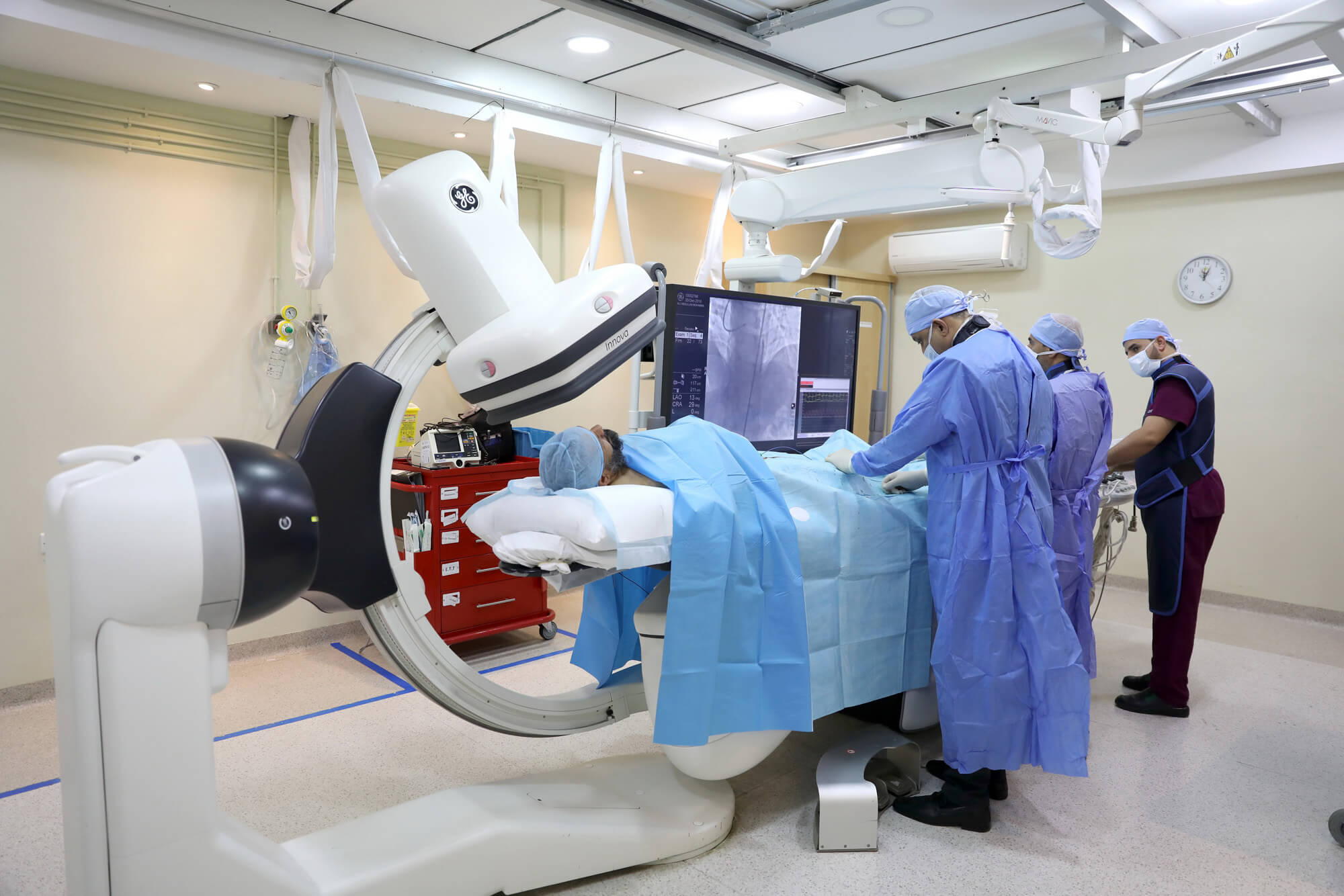
Used for contrast studies of the gastrointestinal, urinary, reproductive, and biliary systems, as well as endoscopic and interventional procedures.
Ultrasound Units Including 1 mammography unit and 3 routine/Doppler systems, used for diagnosing abdominal, pelvic, urinary, vascular (Color Doppler), breast, glandular, and neonatal brain conditions.
Additional Equipment
PACS System
The department uses a PACS (Picture Archiving and Communication System) for long-term image storage and full integration with hospital departments and outpatient clinics.
The system enables:



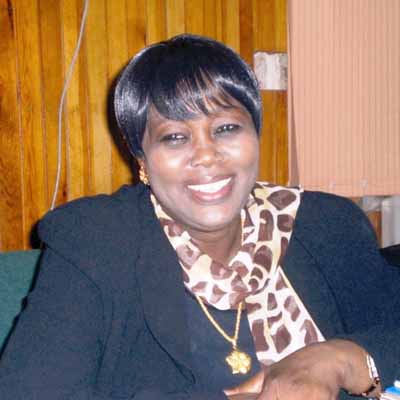

Dr. Tabita Boutros - Sudan
Former Minister of Water and Dams - Sudan
I was very pleased to visit your hospital, and I came to receive medical care and general checkups. This is an opportunity to say thank you so much for everything you have done for me

Abdullah bin Hamad bin Abdullah Al-Dhafri - Sultanate of Oman
Diwan of the Royal Court - Sultanate of Oman
I was very pleased with my visit to this hospital and its services to the patients. I was very surprised by the modern medical equipment’s and departments that I see for the first time. The management and the medical staff made me very ashamed of the spaciousness and hospitality that we received.
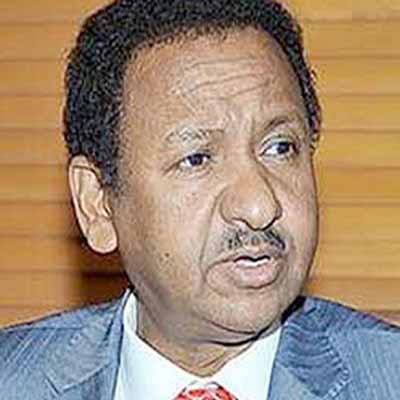
Dr. Mustafa Othman Ismail
Former Sudanese Presidential Adviser, Former Minister of Foreign Affairs
We have found great welcoming from the doctors and nurses at the hospital, their treatment was distinguished, thanks to the Specialty Hospital family for their great interest and we witness excellence in everything from medicine to equipment and treatment
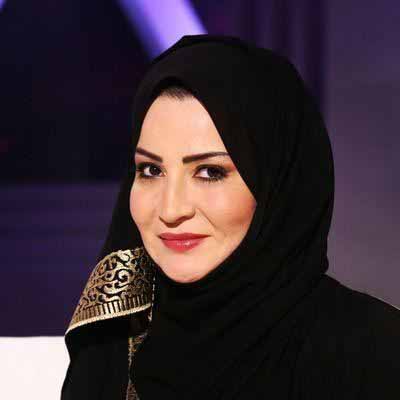
Noura Al Shaaban - Saudi Arabia
Member of the Saudi Shura Council
Through my tour at the hospital I was very pleased with the professional touch in dealing with patients from all countries, and I was impressed by the presence of the advanced equipment in all medical specialties, excellence in dealing with visitors and the quick procedures. Your most important feature is the presence of the best specialized consultants that made me feel comfort and reassured that the citizens of Saudi are receiving good care here
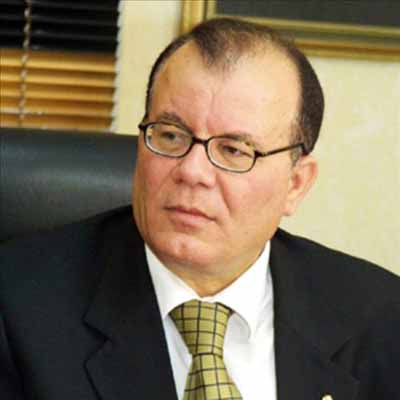
Dr. Nabil Al–Sharif
Former Minister of Media & Communication in Jordan
Without exaggeration, I say that this medical institute provides great services around the clock to the citizens of Jordan, Arab patients and Jordan's visitors. The Specialty Hospital name in people's minds is connected to care and trust, which is a pride for our country and our medical institutes.

Dr. Mandy - USA
Medical Provider
Your emergency department was fantastic. In 30 years of practicing medicine in the United States I have never been able to get X-rays, an ultrasound and an MRI done on one of my patients in less than 4 hours. Your hospital's efficiency and timeliness and exemplary and set the standard.Our patient went to the operating theater and had his injury successfully repaired. He is doing well thanks to the great care he received at Specialty Hospital.
Artom Neekono - USA
Medical Provider
To the men and women that make up the wonderful staff of Specialty Hospital, thank you for the care and professionalism that you have consistently provided to all that came through you doors. You have provided a piece of mind knowing that our patients will have the best care possible in what would be normally be a very difficult situation. Thank you from the bottom of my heart
Dr. Cris Mandy - USA
Medical Provider
Your hospital is excellent and state of the art. It is equivalent to our best hospitals in America. Your commitment to medical education is evident and serves as an investment into the future of health care in Jordan.We appreciate the great care you have provide our ill and injured American patients.
LT. Chire Reilly - USA
White House Medical Unit
Thank you for your welcoming hospitality and for showing us your beautiful hospital, we look forward to working with you now and in the future
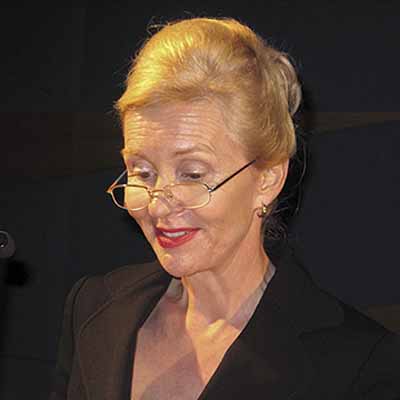
Andera Reichlin - Switzerland
Ambassador
I would like to express the gratitude of the Swiss Embassy in Jordan for all what the Specialty Hospital, doctors, health and administrative personnel have done for the two injured patients.
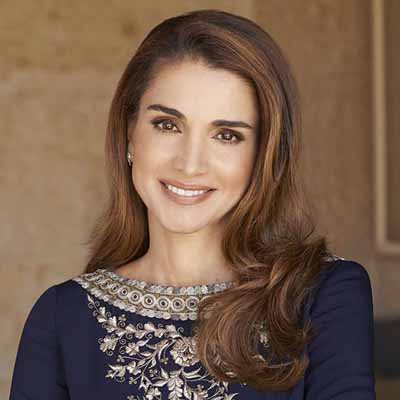
Her Majesty Rania Al-Abdullah
Jordan
I would like to highly express my admiration for your distinguished efforts that contributes to the development of the medical sector and to our county. I am pleased to express to all the staff at this outstanding medical institute, my great satisfaction and joy of the superior level the hospital achieved. I applaud for these great efforts and I support you to proceed for further achievements
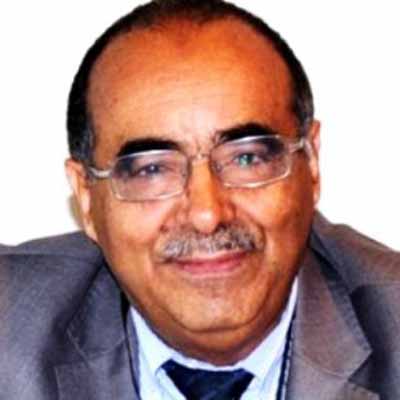
Dr. Ahmed Al-Asbahi – Yemen
Member of Shura Council of the Republic of Yemen
I didn't find the words to express the state of progress I have seen at the Specialty Hospital, but I would like to say that the secret of this progress is referred to the man expressed by HM King Hussein, may God bless him and grant him peace, he said: "Human is the most precious thing we have”. This statement has been scientifically translated into the existence of qualified competencies in various fields especially what I have seen at the Specialty Hospital, I witnessed the stages of its development. And here I am today witnessing the reality of dealing directly with the excellence in its management, wonderful nursing and advanced medicine.

HRH Princess Basma Bint Talal
Jordan
This distinguished institute makes us proud of the progress achieved by our dear country Jordan in the field of medicine, which is equivalent to that in the best countries of the world, this excellence and progress is from the wise management of Dr. Fawzi Al-Hammouri, whose efforts and the efforts of his colleagues at the Specialty Hospital which they deserve all the admiration and appreciation

Anamaria Trotingher - Romania
Patient
I like to thanks Dr. Basheer Abu Halalh and all the crew at Specialty Hospital , I was in the royal suites, the hospital is perfect and super cleanthe crew is helpful and well educated. I want to thank every one who helped me and made my stay there as perfect as possible
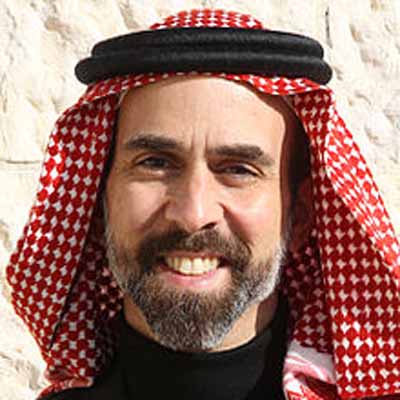
HRH Prince Ghazi Bin Mohammed bin Talal
Jordan
It is my pleasure to register my pride and appreciation to the employees of this outstanding medical facility for the management, doctors, nurses and for what we have seen from the warm hospitality, honor and care of the great profession ... I wish you success and good luck in serving mankind in our beloved Jordan under the Patronage of His Majesty King Abdullah II Ibn Al Hussein