Bariatric Surgery — Roux-en-Y Gastric Bypass (RYGB)
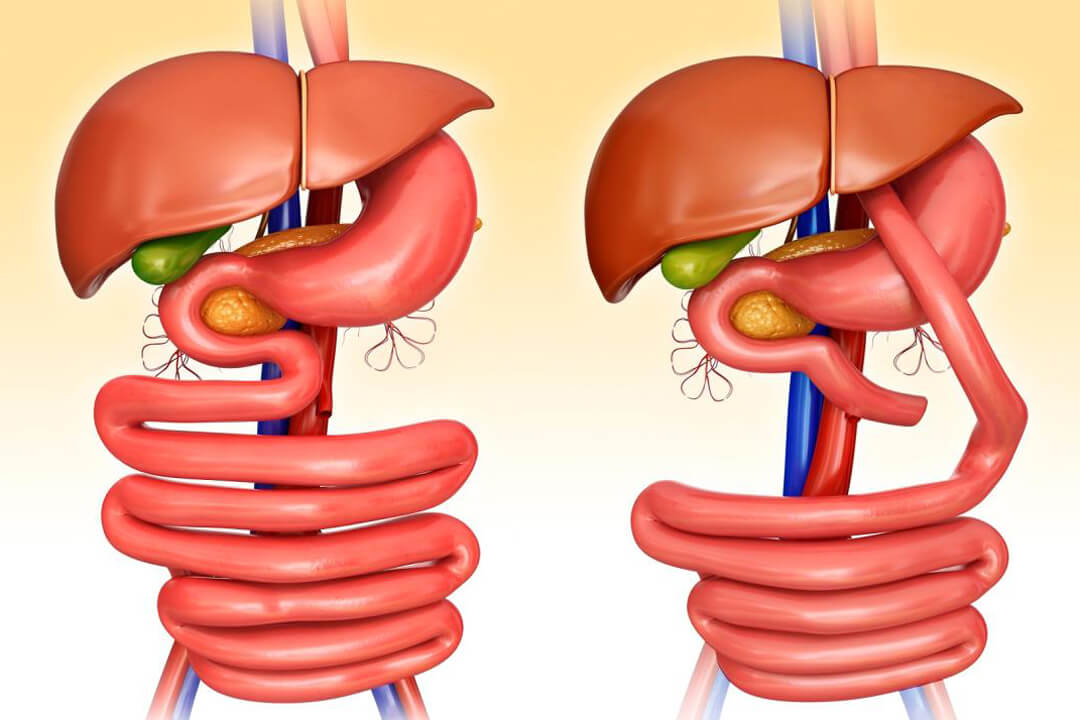
Roux-en-Y gastric bypass (RYGB) is one of the most effective and well-established bariatric procedures worldwide, performed at The Specialty Hospital laparoscopically under the supervision of a highly experienced surgical team. The procedure works through two primary mechanisms:
Together, these two mechanisms make RYGB the procedure associated with the highest average weight loss outcomes compared to all other bariatric interventions
Surgical Mechanis
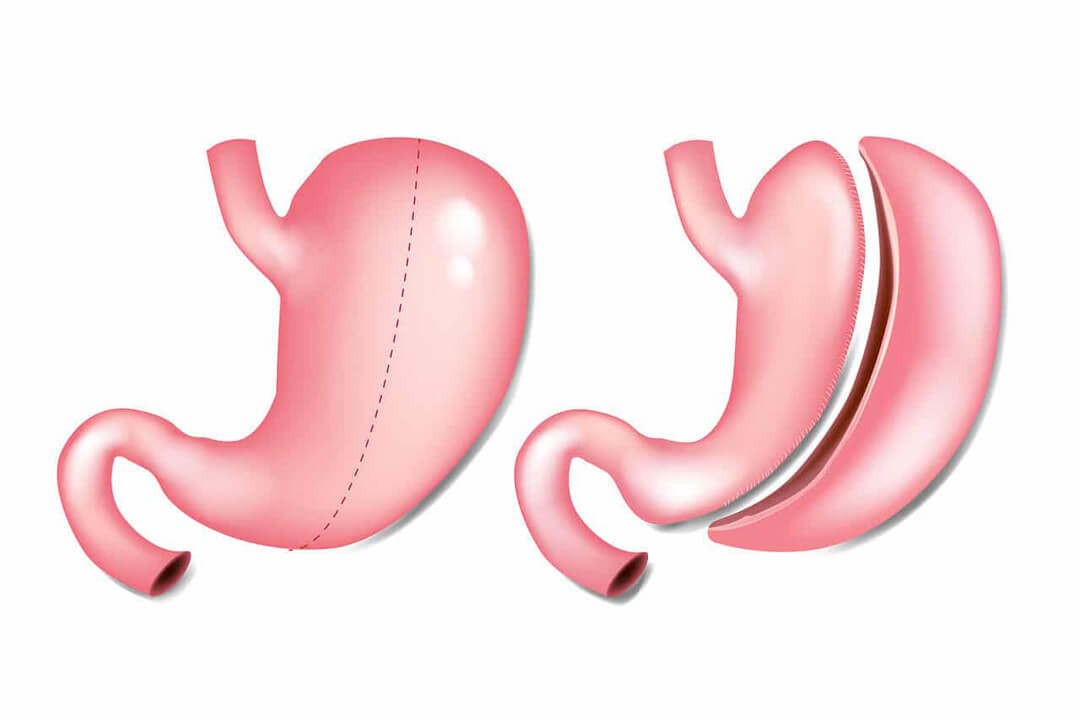
The procedure involves two key steps:
The procedure is performed laparoscopically through small abdominal incisions, minimizing postoperative pain and accelerating recovery
Indications — Based on Updated ASMBS/IFSO 2022 Guidelines
Current updated indications include:
All patients undergo a comprehensive multidisciplinary preoperative evaluation encompassing surgical, nutritional, psychological, and medical assessments
What to Expect After Surgery
Most patients are hospitalized for 1 to 2 days and resume normal physical activities within 4 to 6 weeks. The standard postoperative protocol includes:
Expected Outcomes
Based on multicenter studies and 2024–2025 systematic reviews:
It is worth noting that RYGB is the preferred procedure in the presence of severe GERD or advanced type 2 diabetes, in accordance with the 2022 updated guidelines
Comprehensive Care at The Specialty Hospital
The Specialty Hospital provides an integrated multidisciplinary approach before, during, and after surgery — encompassing bariatric surgeons, internal medicine physicians, clinical dietitians, and psychological support
Lifelong vitamin and mineral supplementation and regular long-term follow-up are considered fundamental pillars in ensuring sustained weight loss outcomes and long-term patient safety




Her Majesty Rania Al-Abdullah
Jordan
I would like to highly express my admiration for your distinguished efforts that contributes to the development of the medical sector and to our county. I am pleased to express to all the staff at this outstanding medical institute, my great satisfaction and joy of the superior level the hospital achieved. I applaud for these great efforts and I support you to proceed for further achievements
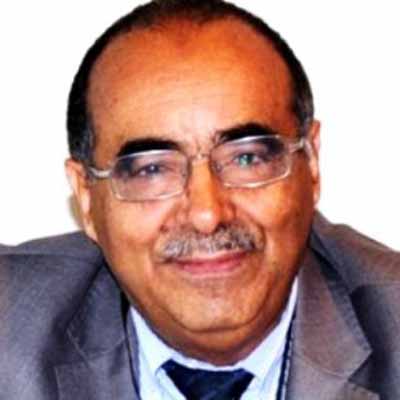
Dr. Ahmed Al-Asbahi – Yemen
Member of Shura Council of the Republic of Yemen
I didn't find the words to express the state of progress I have seen at the Specialty Hospital, but I would like to say that the secret of this progress is referred to the man expressed by HM King Hussein, may God bless him and grant him peace, he said: "Human is the most precious thing we have”. This statement has been scientifically translated into the existence of qualified competencies in various fields especially what I have seen at the Specialty Hospital, I witnessed the stages of its development. And here I am today witnessing the reality of dealing directly with the excellence in its management, wonderful nursing and advanced medicine.
Artom Neekono - USA
Medical Provider
To the men and women that make up the wonderful staff of Specialty Hospital, thank you for the care and professionalism that you have consistently provided to all that came through you doors. You have provided a piece of mind knowing that our patients will have the best care possible in what would be normally be a very difficult situation. Thank you from the bottom of my heart
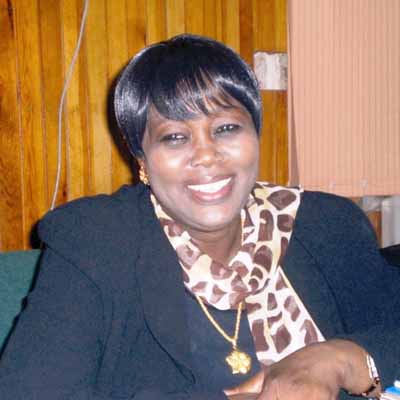
Dr. Tabita Boutros - Sudan
Former Minister of Water and Dams - Sudan
I was very pleased to visit your hospital, and I came to receive medical care and general checkups. This is an opportunity to say thank you so much for everything you have done for me
Mike Williams - Louisiana
Patient
I would like to say a big thank you to all the staff at Specialty Hospital. The care I received here was great and I highly recommend it to everyone.

Tukunobu kita - Japan
Kyushu University
We visited this hospital as field research on medical tourism. The doctors kindly introduced the facilities and explained to us everything. We learned that Specialty Hospital has well-trained staff and good equipment as well as sophisticated systems. It has strong appeal for overseas patients
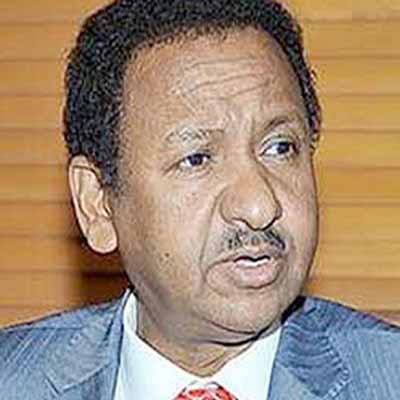
Dr. Mustafa Othman Ismail
Former Sudanese Presidential Adviser, Former Minister of Foreign Affairs
We have found great welcoming from the doctors and nurses at the hospital, their treatment was distinguished, thanks to the Specialty Hospital family for their great interest and we witness excellence in everything from medicine to equipment and treatment

Abdullah bin Hamad bin Abdullah Al-Dhafri - Sultanate of Oman
Diwan of the Royal Court - Sultanate of Oman
I was very pleased with my visit to this hospital and its services to the patients. I was very surprised by the modern medical equipment’s and departments that I see for the first time. The management and the medical staff made me very ashamed of the spaciousness and hospitality that we received.
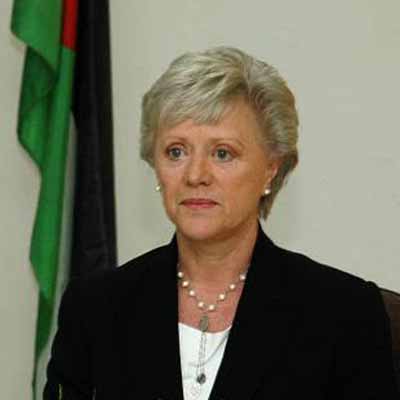
HRH Princess Muna Al-Hussain
Jordan
I am pleased to express my deep appreciation and admiration for the level of achievements you have reached in the medical field for our dear country. wish you success and good luck under the Patronage of His Majesty King Abdullah II Ibn Al Hussein
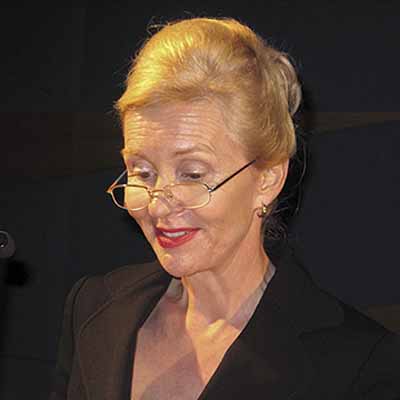
Andera Reichlin - Switzerland
Ambassador
I would like to express the gratitude of the Swiss Embassy in Jordan for all what the Specialty Hospital, doctors, health and administrative personnel have done for the two injured patients.
Fatima Khaled Al Bashir - Sudan
The Wife and first cousin of Sudanese president
Thank you very much Specialty Hospital for the warm welcoming and the good treatment we found, and we noticed the good reputation of the hospital's staff from administrative to doctors and we ask God to bless them
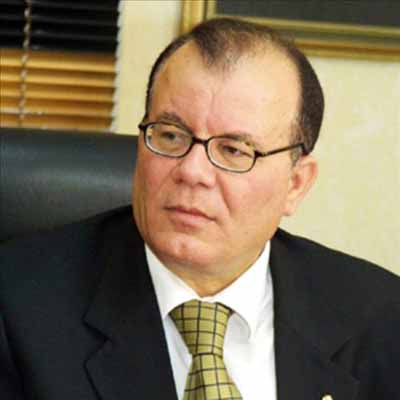
Dr. Nabil Al–Sharif
Former Minister of Media & Communication in Jordan
Without exaggeration, I say that this medical institute provides great services around the clock to the citizens of Jordan, Arab patients and Jordan's visitors. The Specialty Hospital name in people's minds is connected to care and trust, which is a pride for our country and our medical institutes.
Dr. Gabriella Vicuna - USA
Medical Tourism Association
It was our greatest pleasure and honor to visit you during the MTA FAM tour. We are extremely impressed with the great quality, technology and talented physicians we found at Specialty Hospital. From the moment you walk through the doors of Specialty Hospital, one feels warmth and hospitality of this great facility

Dr. Anna - Netherlands
Medical Provider
Thank you so much for all the support, help and cooperation in the last few months. Thank you for all the care for our patients and for helping me doing my job over here in Jordan
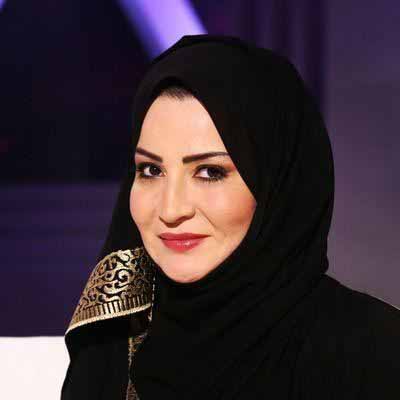
Noura Al Shaaban - Saudi Arabia
Member of the Saudi Shura Council
Through my tour at the hospital I was very pleased with the professional touch in dealing with patients from all countries, and I was impressed by the presence of the advanced equipment in all medical specialties, excellence in dealing with visitors and the quick procedures. Your most important feature is the presence of the best specialized consultants that made me feel comfort and reassured that the citizens of Saudi are receiving good care here