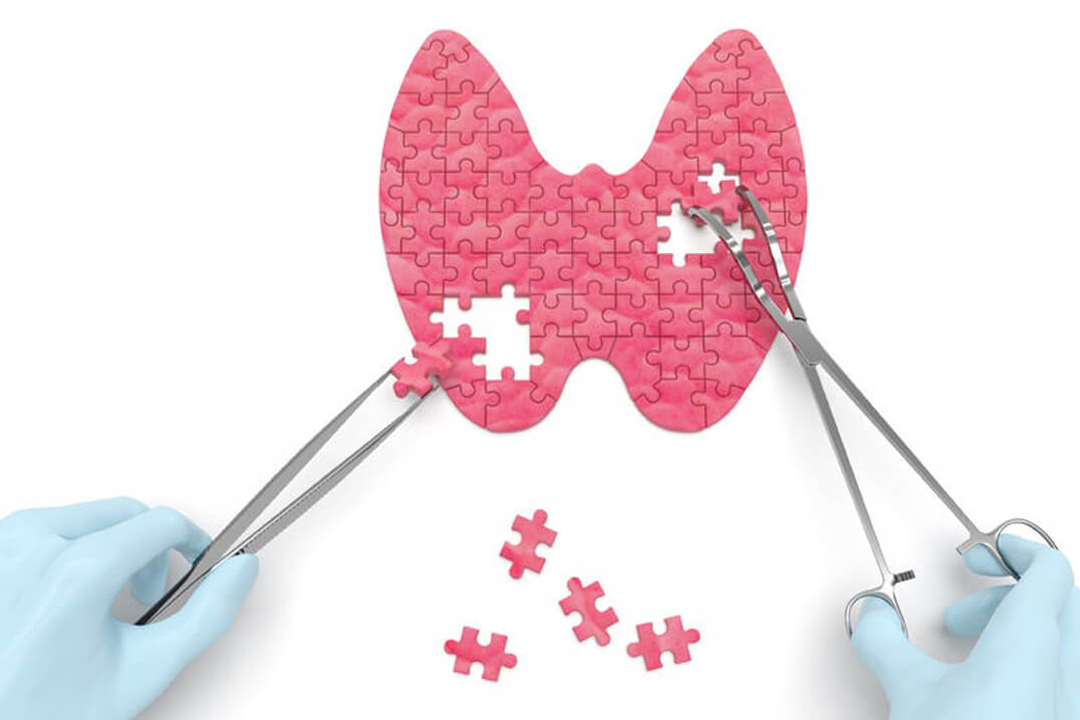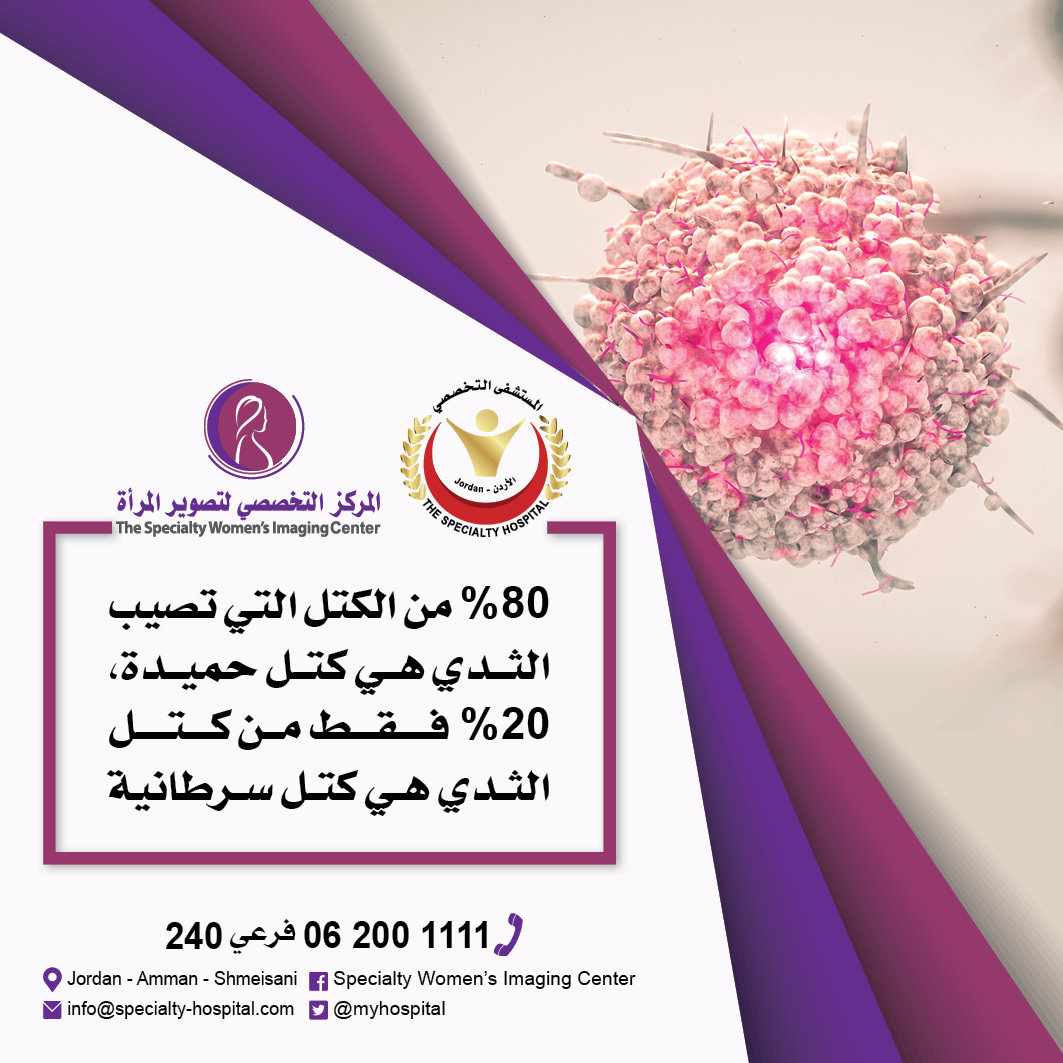
Breast surgery focuses on the diagnosis and treatment of diseases affecting the breast, including both benign (non-cancerous) conditions and breast cancer. It plays a vital role in women’s health and is often part of a multidisciplinary approach involving radiologists, oncologists, pathologists, and specialized nurses. The goal of breast surgery is to provide effective treatment while preserving breast appearance and supporting the patient’s overall well-being.
Many breast conditions are benign and do not require surgery. However, some cases may require surgical evaluation or removal. Common benign breast conditions include fibroadenomas, cysts, infections, and benign tumors. When surgery is necessary, it is usually performed as a minor procedure to remove the lump while preserving the surrounding breast tissue.
A major focus of breast surgery is the treatment of breast cancer, one of the most common cancers affecting women worldwide. Early detection through screening methods such as mammography significantly improves treatment outcomes. When breast cancer is diagnosed, surgery is often an essential part of treatment. The specific surgical approach depends on the type, size, and stage of the tumor, as well as the patient’s preferences.
Two of the most common surgical treatments for breast cancer are lumpectomy and mastectomy. A lumpectomy, also known as breast-conserving surgery, involves removing the cancerous tumor and a small margin of surrounding healthy tissue while leaving most of the breast intact. This procedure is often followed by radiation therapy to reduce the risk of cancer recurrence. A mastectomy involves removing the entire breast and may be recommended when the cancer is large, present in multiple areas, or when other treatments are not suitable.
Breast surgery may also include procedures to examine nearby lymph nodes, which helps determine whether cancer has spread. A sentinel lymph node biopsy is a common technique used to identify and remove the first lymph node that drains the breast area. This allows doctors to accurately stage the cancer while minimizing unnecessary removal of lymph nodes.
Advances in surgical techniques have significantly improved both the safety and cosmetic outcomes of breast surgery. Many patients today have the option of breast reconstruction, which can be performed at the same time as cancer surgery or at a later stage. Reconstruction may involve implants or the use of the patient’s own tissue to restore the shape of the breast.
Beyond cancer treatment, breast surgeons also perform procedures related to breast health, including the evaluation of abnormal imaging findings, biopsies, and the management of high-risk patients who may benefit from preventive surgery.
At our hospital, breast surgery is delivered through a patient-centered approach that emphasizes compassion, safety, and individualized care. Our multidisciplinary team works closely together to guide patients through every step of diagnosis, treatment, and recovery. We understand that breast surgery can be a challenging experience, and we are committed to providing expert medical care alongside emotional support to ensure the best possible outcomes for our patients.



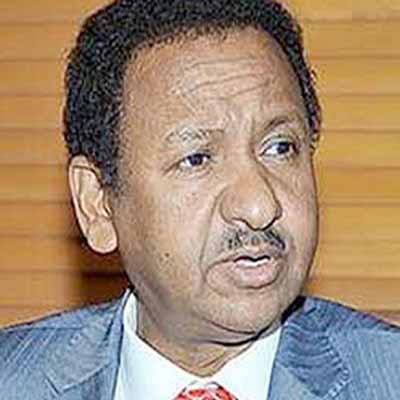

Dr. Mustafa Othman Ismail
Former Sudanese Presidential Adviser, Former Minister of Foreign Affairs
We have found great welcoming from the doctors and nurses at the hospital, their treatment was distinguished, thanks to the Specialty Hospital family for their great interest and we witness excellence in everything from medicine to equipment and treatment

Tukunobu kita - Japan
Kyushu University
We visited this hospital as field research on medical tourism. The doctors kindly introduced the facilities and explained to us everything. We learned that Specialty Hospital has well-trained staff and good equipment as well as sophisticated systems. It has strong appeal for overseas patients

Dr. Gabriella Vicuna - USA
Medical Tourism Association
It was our greatest pleasure and honor to visit you during the MTA FAM tour. We are extremely impressed with the great quality, technology and talented physicians we found at Specialty Hospital. From the moment you walk through the doors of Specialty Hospital, one feels warmth and hospitality of this great facility

Anamaria Trotingher - Romania
Patient
I like to thanks Dr. Basheer Abu Halalh and all the crew at Specialty Hospital , I was in the royal suites, the hospital is perfect and super cleanthe crew is helpful and well educated. I want to thank every one who helped me and made my stay there as perfect as possible
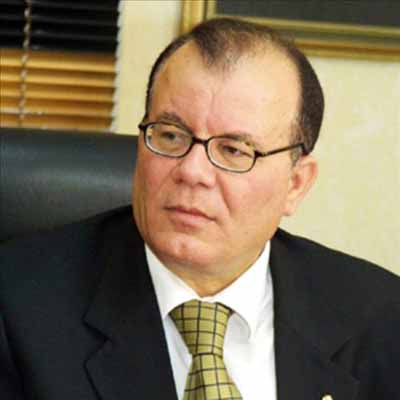
Dr. Nabil Al–Sharif
Former Minister of Media & Communication in Jordan
Without exaggeration, I say that this medical institute provides great services around the clock to the citizens of Jordan, Arab patients and Jordan's visitors. The Specialty Hospital name in people's minds is connected to care and trust, which is a pride for our country and our medical institutes.
Artom Neekono - USA
Medical Provider
To the men and women that make up the wonderful staff of Specialty Hospital, thank you for the care and professionalism that you have consistently provided to all that came through you doors. You have provided a piece of mind knowing that our patients will have the best care possible in what would be normally be a very difficult situation. Thank you from the bottom of my heart
Dr. Cris Mandy - USA
Medical Provider
Your hospital is excellent and state of the art. It is equivalent to our best hospitals in America. Your commitment to medical education is evident and serves as an investment into the future of health care in Jordan.We appreciate the great care you have provide our ill and injured American patients.
LT. Chire Reilly - USA
White House Medical Unit
Thank you for your welcoming hospitality and for showing us your beautiful hospital, we look forward to working with you now and in the future

Dr. Anna - Netherlands
Medical Provider
Thank you so much for all the support, help and cooperation in the last few months. Thank you for all the care for our patients and for helping me doing my job over here in Jordan

Fatima Khaled Al Bashir - Sudan
The Wife and first cousin of Sudanese president
Thank you very much Specialty Hospital for the warm welcoming and the good treatment we found, and we noticed the good reputation of the hospital's staff from administrative to doctors and we ask God to bless them
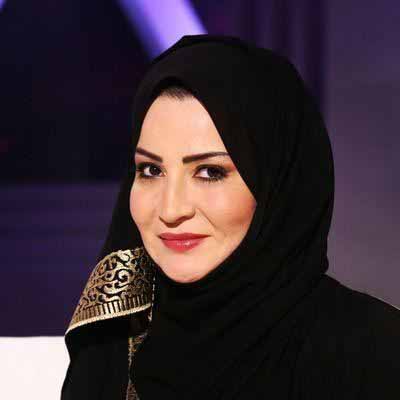
Noura Al Shaaban - Saudi Arabia
Member of the Saudi Shura Council
Through my tour at the hospital I was very pleased with the professional touch in dealing with patients from all countries, and I was impressed by the presence of the advanced equipment in all medical specialties, excellence in dealing with visitors and the quick procedures. Your most important feature is the presence of the best specialized consultants that made me feel comfort and reassured that the citizens of Saudi are receiving good care here
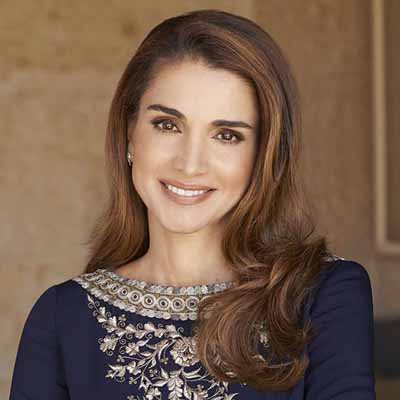
Her Majesty Rania Al-Abdullah
Jordan
I would like to highly express my admiration for your distinguished efforts that contributes to the development of the medical sector and to our county. I am pleased to express to all the staff at this outstanding medical institute, my great satisfaction and joy of the superior level the hospital achieved. I applaud for these great efforts and I support you to proceed for further achievements
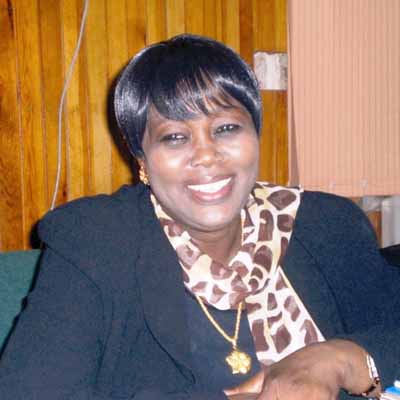
Dr. Tabita Boutros - Sudan
Former Minister of Water and Dams - Sudan
I was very pleased to visit your hospital, and I came to receive medical care and general checkups. This is an opportunity to say thank you so much for everything you have done for me
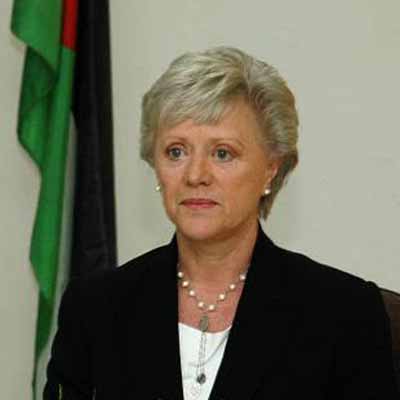
HRH Princess Muna Al-Hussain
Jordan
I am pleased to express my deep appreciation and admiration for the level of achievements you have reached in the medical field for our dear country. wish you success and good luck under the Patronage of His Majesty King Abdullah II Ibn Al Hussein
Mike Williams - Louisiana
Patient
I would like to say a big thank you to all the staff at Specialty Hospital. The care I received here was great and I highly recommend it to everyone.