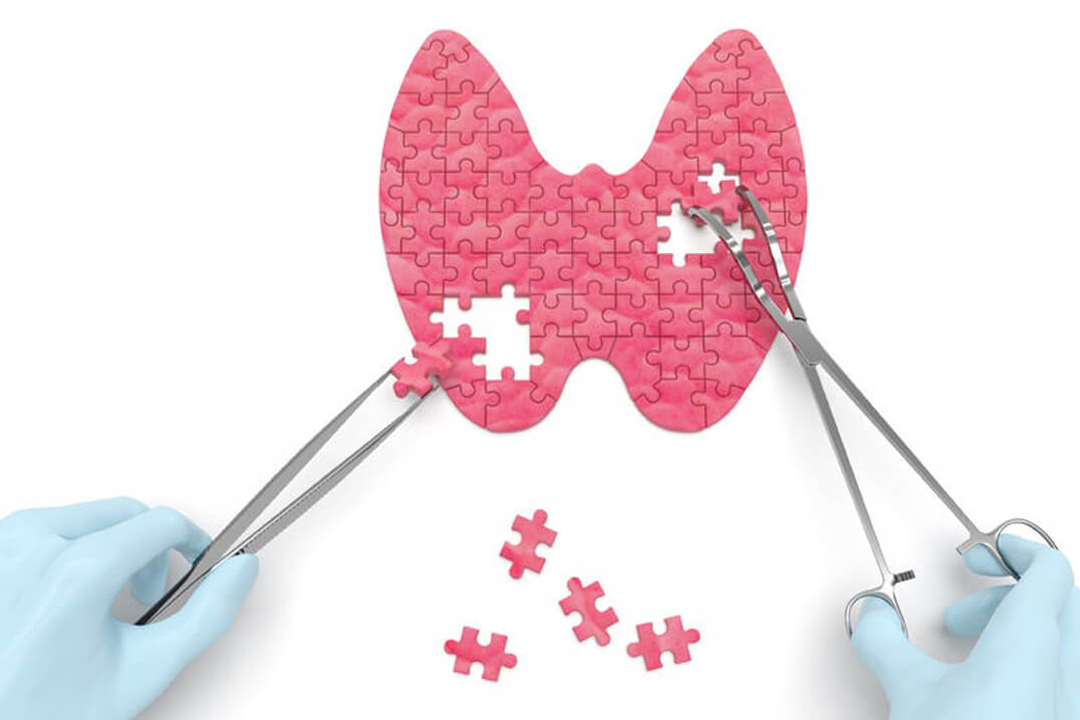
Endocrine surgery focuses on the diagnosis and surgical treatment of diseases affecting the endocrine glands. These glands produce hormones that regulate many essential functions in the body, including metabolism, growth, blood pressure, and calcium balance. The most commonly treated endocrine glands in surgery are the thyroid, parathyroid glands, adrenal glands, and pancreas. When these glands develop tumors, become overactive, or fail to function properly, surgery may be recommended as part of the treatment plan.
One of the most frequent procedures in endocrine surgery involves the thyroid gland, a butterfly-shaped gland located in the front of the neck. Thyroid conditions that may require surgery include thyroid nodules, goiter (enlargement of the thyroid), hyperthyroidism, and thyroid cancer. In many cases, surgeons remove either part of the thyroid (partial thyroidectomy) or the entire gland (total thyroidectomy). These procedures are performed with careful attention to surrounding structures, such as the vocal cord nerves and parathyroid glands, which are vital for normal speech and calcium regulation.
Another important area of endocrine surgery involves the parathyroid glands, four small glands located behind the thyroid. These glands control calcium levels in the blood. Sometimes, one or more parathyroid glands become overactive, a condition known as hyperparathyroidism. This can lead to symptoms such as kidney stones, bone weakness, fatigue, and abdominal pain. Surgical removal of the overactive gland is often the most effective treatment and can significantly improve a patient’s quality of life.
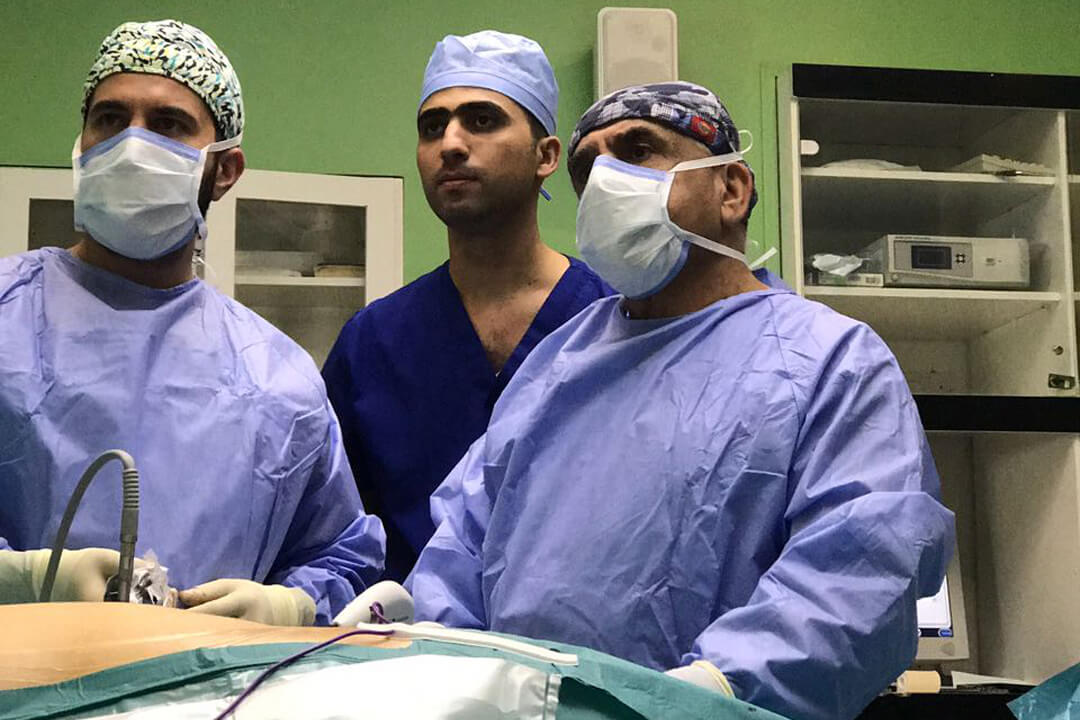
Endocrine surgeons also treat conditions of the adrenal glands, which sit on top of the kidneys and produce hormones that help regulate blood pressure, metabolism, and stress responses. Tumors of the adrenal glands may cause excess hormone production or, in some cases, may be cancerous. When surgery is needed, the affected adrenal gland is typically removed in a procedure called an adrenalectomy. Many adrenal surgeries today are performed using minimally invasive techniques, which allow for smaller incisions, faster recovery times, and less postoperative discomfort.
In addition, endocrine surgery may address certain tumors of the pancreas that produce hormones. These rare tumors, known as neuroendocrine tumors, can cause a variety of symptoms depending on the hormone they release. Surgical treatment is often necessary to remove the tumor and restore normal hormone balance.
Modern endocrine surgery emphasizes precision, safety, and minimally invasive techniques whenever possible. Advances in imaging, surgical technology, and monitoring systems allow surgeons to operate with great accuracy while minimizing risks to surrounding tissues. Patients undergoing endocrine surgery typically benefit from shorter hospital stays, quicker recovery, and excellent long-term outcomes.
At our hospital, endocrine surgery is provided by a specialized team of surgeons, endocrinologists, anesthesiologists, and nursing staff who work together to deliver comprehensive care. From diagnosis and preoperative evaluation to surgery and postoperative follow-up, we focus on providing personalized treatment tailored to each patient’s condition. Our goal is not only to treat endocrine disorders effectively but also to help patients return quickly to a healthy and active life.




HRH Princess Basma Bint Talal
Jordan
This distinguished institute makes us proud of the progress achieved by our dear country Jordan in the field of medicine, which is equivalent to that in the best countries of the world, this excellence and progress is from the wise management of Dr. Fawzi Al-Hammouri, whose efforts and the efforts of his colleagues at the Specialty Hospital which they deserve all the admiration and appreciation

Dr. Gabriella Vicuna - USA
Medical Tourism Association
It was our greatest pleasure and honor to visit you during the MTA FAM tour. We are extremely impressed with the great quality, technology and talented physicians we found at Specialty Hospital. From the moment you walk through the doors of Specialty Hospital, one feels warmth and hospitality of this great facility
Dr. Cris Mandy - USA
Medical Provider
Your hospital is excellent and state of the art. It is equivalent to our best hospitals in America. Your commitment to medical education is evident and serves as an investment into the future of health care in Jordan.We appreciate the great care you have provide our ill and injured American patients.

Abdullah bin Hamad bin Abdullah Al-Dhafri - Sultanate of Oman
Diwan of the Royal Court - Sultanate of Oman
I was very pleased with my visit to this hospital and its services to the patients. I was very surprised by the modern medical equipment’s and departments that I see for the first time. The management and the medical staff made me very ashamed of the spaciousness and hospitality that we received.
Fatima Khaled Al Bashir - Sudan
The Wife and first cousin of Sudanese president
Thank you very much Specialty Hospital for the warm welcoming and the good treatment we found, and we noticed the good reputation of the hospital's staff from administrative to doctors and we ask God to bless them
Dr. Ahmed Al-Asbahi – Yemen
Member of Shura Council of the Republic of Yemen
I didn't find the words to express the state of progress I have seen at the Specialty Hospital, but I would like to say that the secret of this progress is referred to the man expressed by HM King Hussein, may God bless him and grant him peace, he said: "Human is the most precious thing we have”. This statement has been scientifically translated into the existence of qualified competencies in various fields especially what I have seen at the Specialty Hospital, I witnessed the stages of its development. And here I am today witnessing the reality of dealing directly with the excellence in its management, wonderful nursing and advanced medicine.
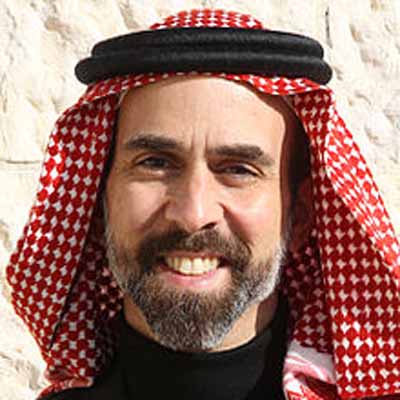
HRH Prince Ghazi Bin Mohammed bin Talal
Jordan
It is my pleasure to register my pride and appreciation to the employees of this outstanding medical facility for the management, doctors, nurses and for what we have seen from the warm hospitality, honor and care of the great profession ... I wish you success and good luck in serving mankind in our beloved Jordan under the Patronage of His Majesty King Abdullah II Ibn Al Hussein
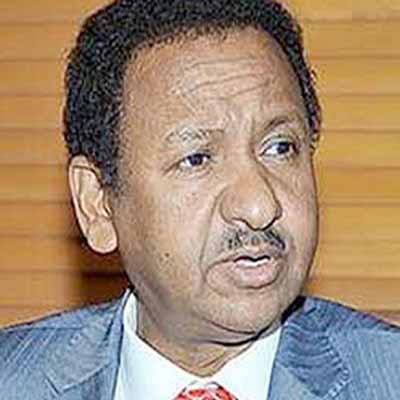
Dr. Mustafa Othman Ismail
Former Sudanese Presidential Adviser, Former Minister of Foreign Affairs
We have found great welcoming from the doctors and nurses at the hospital, their treatment was distinguished, thanks to the Specialty Hospital family for their great interest and we witness excellence in everything from medicine to equipment and treatment
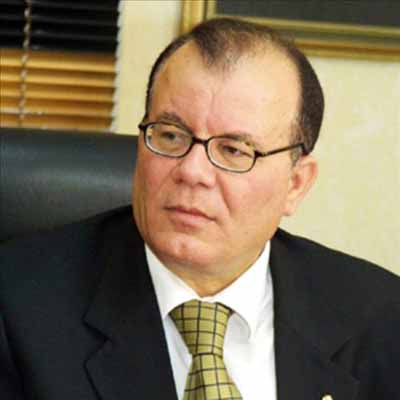
Dr. Nabil Al–Sharif
Former Minister of Media & Communication in Jordan
Without exaggeration, I say that this medical institute provides great services around the clock to the citizens of Jordan, Arab patients and Jordan's visitors. The Specialty Hospital name in people's minds is connected to care and trust, which is a pride for our country and our medical institutes.

Tukunobu kita - Japan
Kyushu University
We visited this hospital as field research on medical tourism. The doctors kindly introduced the facilities and explained to us everything. We learned that Specialty Hospital has well-trained staff and good equipment as well as sophisticated systems. It has strong appeal for overseas patients
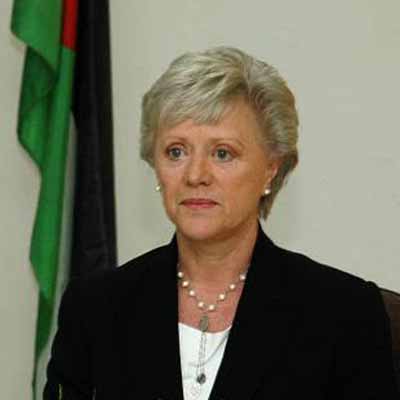
HRH Princess Muna Al-Hussain
Jordan
I am pleased to express my deep appreciation and admiration for the level of achievements you have reached in the medical field for our dear country. wish you success and good luck under the Patronage of His Majesty King Abdullah II Ibn Al Hussein
Mike Williams - Louisiana
Patient
I would like to say a big thank you to all the staff at Specialty Hospital. The care I received here was great and I highly recommend it to everyone.
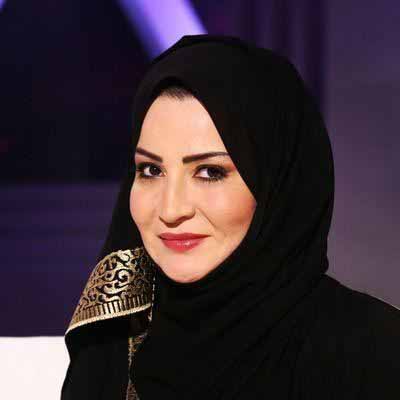
Noura Al Shaaban - Saudi Arabia
Member of the Saudi Shura Council
Through my tour at the hospital I was very pleased with the professional touch in dealing with patients from all countries, and I was impressed by the presence of the advanced equipment in all medical specialties, excellence in dealing with visitors and the quick procedures. Your most important feature is the presence of the best specialized consultants that made me feel comfort and reassured that the citizens of Saudi are receiving good care here

Anamaria Trotingher - Romania
Patient
I like to thanks Dr. Basheer Abu Halalh and all the crew at Specialty Hospital , I was in the royal suites, the hospital is perfect and super cleanthe crew is helpful and well educated. I want to thank every one who helped me and made my stay there as perfect as possible
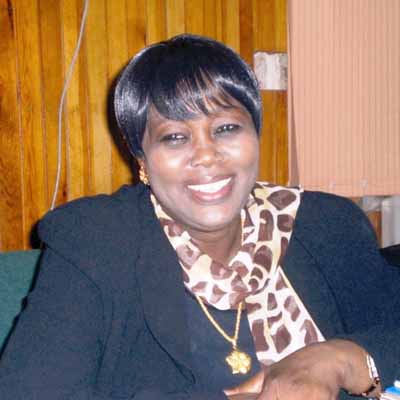
Dr. Tabita Boutros - Sudan
Former Minister of Water and Dams - Sudan
I was very pleased to visit your hospital, and I came to receive medical care and general checkups. This is an opportunity to say thank you so much for everything you have done for me