
Sleep is an essential biological process during which humans spend nearly one third of their lives. Numerous complex physiological mechanisms occur during sleep, and these may at times be associated with pathological conditions.
Studies indicate that approximately six out of ten individuals experience some form of sleep disturbance. Since the 1950s, sleep has become a major focus of scientific research due to its significant impact on human physiology, circadian rhythms, cognitive performance, and memory.
It has been demonstrated that sleep deprivation and sleep disorders lead to increased daily stress, impaired concentration, and a higher risk of serious accidents—particularly road traffic accidents. They are also associated with sexual dysfunction and, in severe cases, may result in depression and an elevated risk of myocardial infarction and cerebrovascular stroke, in addition to diabetes mellitus, hypertension, and memory impairment.
Obstructive sleep apnea, in particular, is considered a serious disorder that may contribute to the development of cardiovascular and cerebrovascular diseases.
Accordingly, the Specialty Hospital has taken a leading role in providing this service to the community by establishing a dedicated laboratory for the diagnosis and treatment of sleep disorders in accordance with the latest international standards and employing state-of-the-art technologies in the field.
The laboratory includes a fully equipped examination suite fitted with advanced monitoring and diagnostic systems. It is furnished to ensure maximum comfort, thereby providing patients with an experience that closely resembles a home environment, in line with research-based recommendations.
In addition, the facility contains a control room equipped with modern display screens and surveillance cameras to monitor and record both normal and abnormal physiological changes occurring during sleep. The laboratory is managed and supervised by a distinguished team of highly qualified scientific and clinical professionals.
The question is: how can a patient determine whether he or she is affected by a sleep disorder? An individual may exhibit one or more of the following symptoms:
Diagnosis typically begins with a consultation at a sleep specialist clinic or with specialists in pulmonology or otolaryngology. This process involves a series of specialized assessments, including:
These assessments are completely non-invasive. Patients stay in a comfortable, private room designed to resemble a home bedroom from 10:00 p.m. until morning. In certain cases, additional studies may be conducted during the morning hours.
The laboratory offers a range of services and evaluations, including:
To undergo the examination, patients should:
0096265001111 ext. 650 or 00962799064075



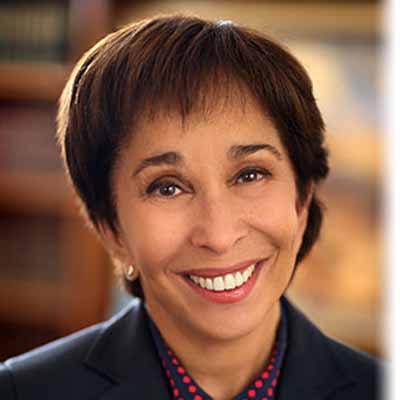

HRH Princess Basma Bint Talal
Jordan
This distinguished institute makes us proud of the progress achieved by our dear country Jordan in the field of medicine, which is equivalent to that in the best countries of the world, this excellence and progress is from the wise management of Dr. Fawzi Al-Hammouri, whose efforts and the efforts of his colleagues at the Specialty Hospital which they deserve all the admiration and appreciation
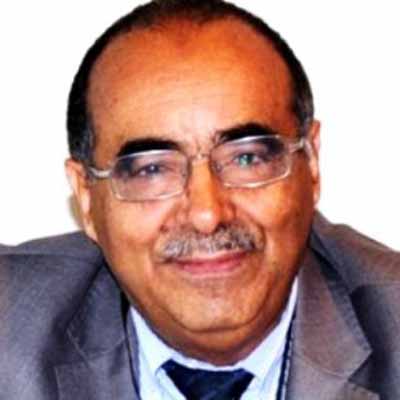
Dr. Ahmed Al-Asbahi – Yemen
Member of Shura Council of the Republic of Yemen
I didn't find the words to express the state of progress I have seen at the Specialty Hospital, but I would like to say that the secret of this progress is referred to the man expressed by HM King Hussein, may God bless him and grant him peace, he said: "Human is the most precious thing we have”. This statement has been scientifically translated into the existence of qualified competencies in various fields especially what I have seen at the Specialty Hospital, I witnessed the stages of its development. And here I am today witnessing the reality of dealing directly with the excellence in its management, wonderful nursing and advanced medicine.

Fatima Khaled Al Bashir - Sudan
The Wife and first cousin of Sudanese president
Thank you very much Specialty Hospital for the warm welcoming and the good treatment we found, and we noticed the good reputation of the hospital's staff from administrative to doctors and we ask God to bless them
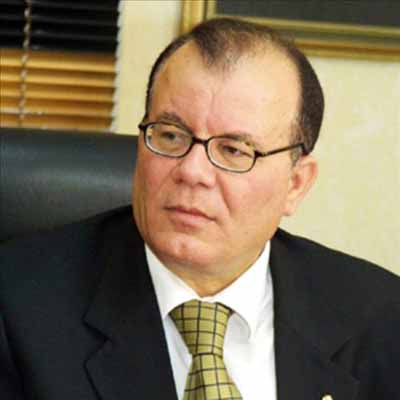
Dr. Nabil Al–Sharif
Former Minister of Media & Communication in Jordan
Without exaggeration, I say that this medical institute provides great services around the clock to the citizens of Jordan, Arab patients and Jordan's visitors. The Specialty Hospital name in people's minds is connected to care and trust, which is a pride for our country and our medical institutes.

Dr. Anna - Netherlands
Medical Provider
Thank you so much for all the support, help and cooperation in the last few months. Thank you for all the care for our patients and for helping me doing my job over here in Jordan

LT. Chire Reilly - USA
White House Medical Unit
Thank you for your welcoming hospitality and for showing us your beautiful hospital, we look forward to working with you now and in the future
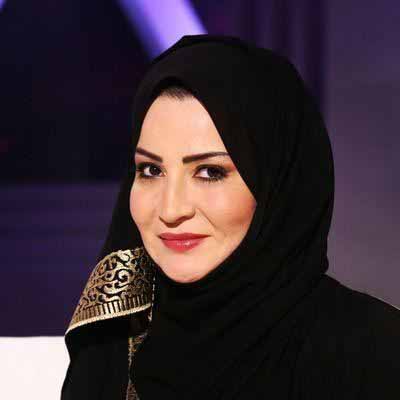
Noura Al Shaaban - Saudi Arabia
Member of the Saudi Shura Council
Through my tour at the hospital I was very pleased with the professional touch in dealing with patients from all countries, and I was impressed by the presence of the advanced equipment in all medical specialties, excellence in dealing with visitors and the quick procedures. Your most important feature is the presence of the best specialized consultants that made me feel comfort and reassured that the citizens of Saudi are receiving good care here

Tukunobu kita - Japan
Kyushu University
We visited this hospital as field research on medical tourism. The doctors kindly introduced the facilities and explained to us everything. We learned that Specialty Hospital has well-trained staff and good equipment as well as sophisticated systems. It has strong appeal for overseas patients
Artom Neekono - USA
Medical Provider
To the men and women that make up the wonderful staff of Specialty Hospital, thank you for the care and professionalism that you have consistently provided to all that came through you doors. You have provided a piece of mind knowing that our patients will have the best care possible in what would be normally be a very difficult situation. Thank you from the bottom of my heart
Dr. Mandy - USA
Medical Provider
Your emergency department was fantastic. In 30 years of practicing medicine in the United States I have never been able to get X-rays, an ultrasound and an MRI done on one of my patients in less than 4 hours. Your hospital's efficiency and timeliness and exemplary and set the standard.Our patient went to the operating theater and had his injury successfully repaired. He is doing well thanks to the great care he received at Specialty Hospital.
Dr. Cris Mandy - USA
Medical Provider
Your hospital is excellent and state of the art. It is equivalent to our best hospitals in America. Your commitment to medical education is evident and serves as an investment into the future of health care in Jordan.We appreciate the great care you have provide our ill and injured American patients.
Mike Williams - Louisiana
Patient
I would like to say a big thank you to all the staff at Specialty Hospital. The care I received here was great and I highly recommend it to everyone.
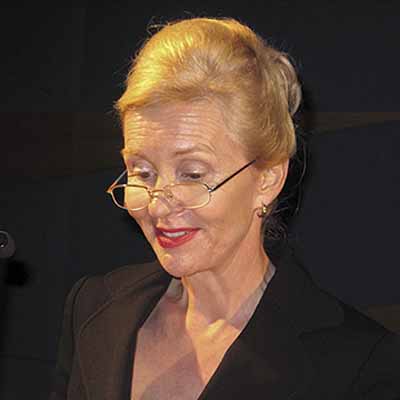
Andera Reichlin - Switzerland
Ambassador
I would like to express the gratitude of the Swiss Embassy in Jordan for all what the Specialty Hospital, doctors, health and administrative personnel have done for the two injured patients.
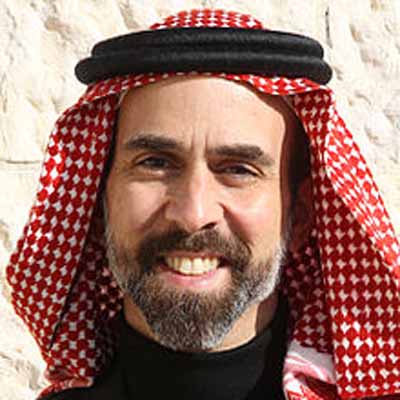
HRH Prince Ghazi Bin Mohammed bin Talal
Jordan
It is my pleasure to register my pride and appreciation to the employees of this outstanding medical facility for the management, doctors, nurses and for what we have seen from the warm hospitality, honor and care of the great profession ... I wish you success and good luck in serving mankind in our beloved Jordan under the Patronage of His Majesty King Abdullah II Ibn Al Hussein

Anamaria Trotingher - Romania
Patient
I like to thanks Dr. Basheer Abu Halalh and all the crew at Specialty Hospital , I was in the royal suites, the hospital is perfect and super cleanthe crew is helpful and well educated. I want to thank every one who helped me and made my stay there as perfect as possible